Disconnected systems
ERP, MES, WMS, CRM, planning tools, machines, and custom applications do not always exchange the information teams need.
Manufacturing operations depend on processes that work across production, planning, warehousing, logistics, sales, and finance. But as organizations grow, the technology supporting those processes often becomes fragmented.
CPP digital helps manufacturers connect systems, modernize critical software, automate workflows, and turn operational data into better decisions, without losing control of business-critical operations. We focus on the processes your standard applications do not fully support, helping teams reduce duplicate work and get a clearer view of operations.
Growth challenges
Most manufacturers already have the core systems they need. The problem starts when those systems no longer reflect how work actually gets done.
ERP, MES, WMS, CRM, planning tools, machines, and custom applications do not always exchange the information teams need.
Employees rely on spreadsheets, email, duplicate data entry, or manual checks to keep processes moving.
Production, inventory, planning, quality, and financial data sit in different places, making it difficult to get a reliable view of performance.
Business-critical applications become difficult to maintain or integrate, while replacing them outright creates operational risk.
ERP or other packaged software may cover most requirements, but the remaining gaps often sit in processes that differentiate the business.
Internal IT teams spend time keeping existing systems running instead of improving processes or building new capabilities.
Production planning software
01 / 07Bring capacity, demand, materials, and production schedules together in one planning process. Reduce manual coordination, respond faster to changes, and improve the reliability of production planning.
Shop floor applications
02 / 07Give operators and production teams the information they need where the work happens. Capture machine data, provide digital work instructions, monitor quality, and connect equipment with the systems around it.
Supply chain management software
03 / 07Create better visibility across purchasing, inventory, production, and delivery. Connect data and workflows so teams can identify supply issues earlier and coordinate orders more effectively.
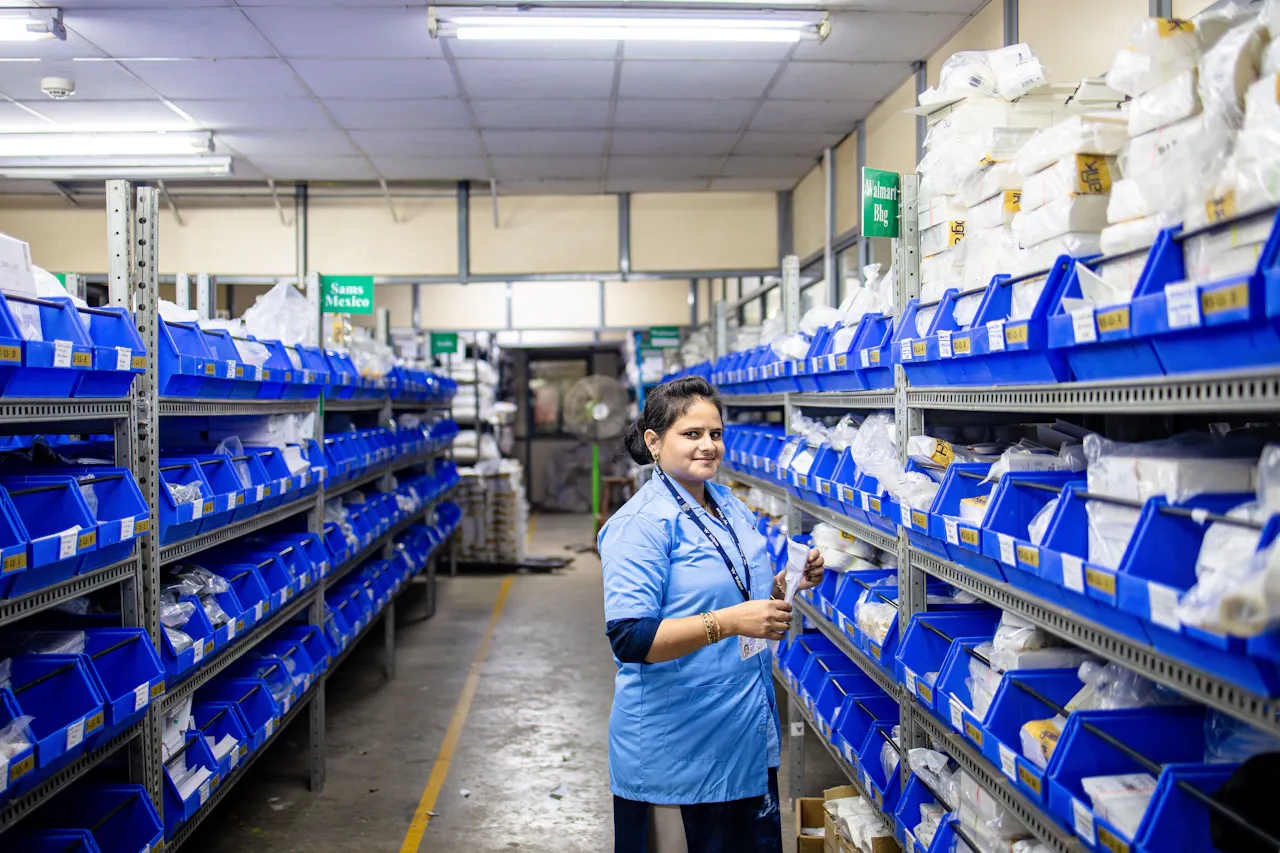
Workforce and shift planning
04 / 07Plan people around production requirements, skills, availability, and shift patterns. Reduce manual scheduling and give planners a clearer view of workforce capacity.
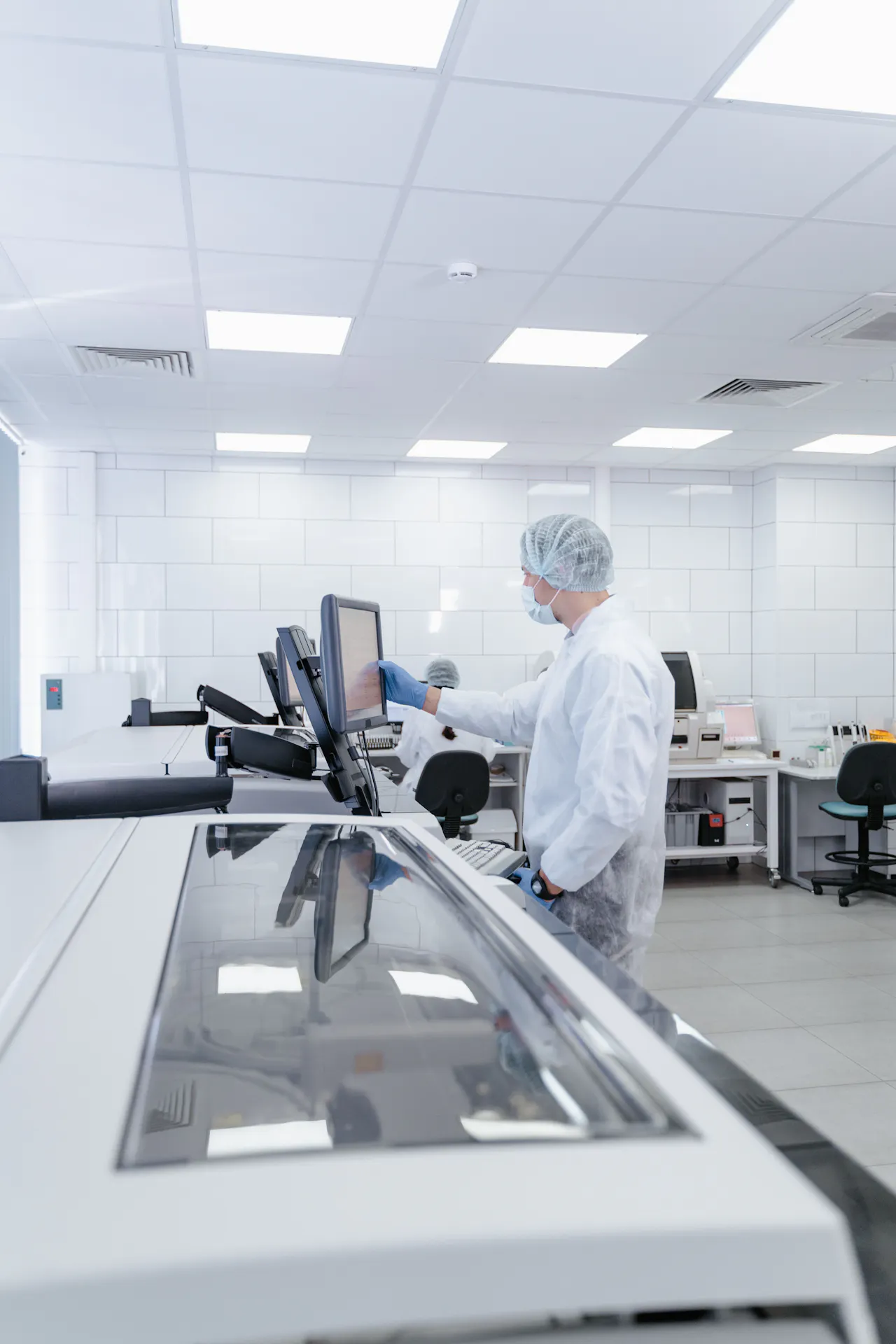
AI-driven quality and predictive maintenance
05 / 07Use production and machine data to identify patterns, anomalies, and potential equipment issues earlier. This can help teams reduce unplanned downtime, improve quality control, and act before problems affect production.

Product configuration and CPQ
06 / 07Make complex products easier to sell and produce. Help customers or sales teams configure valid products, calculate accurate pricing, and create quotations that connect directly with engineering and production processes.
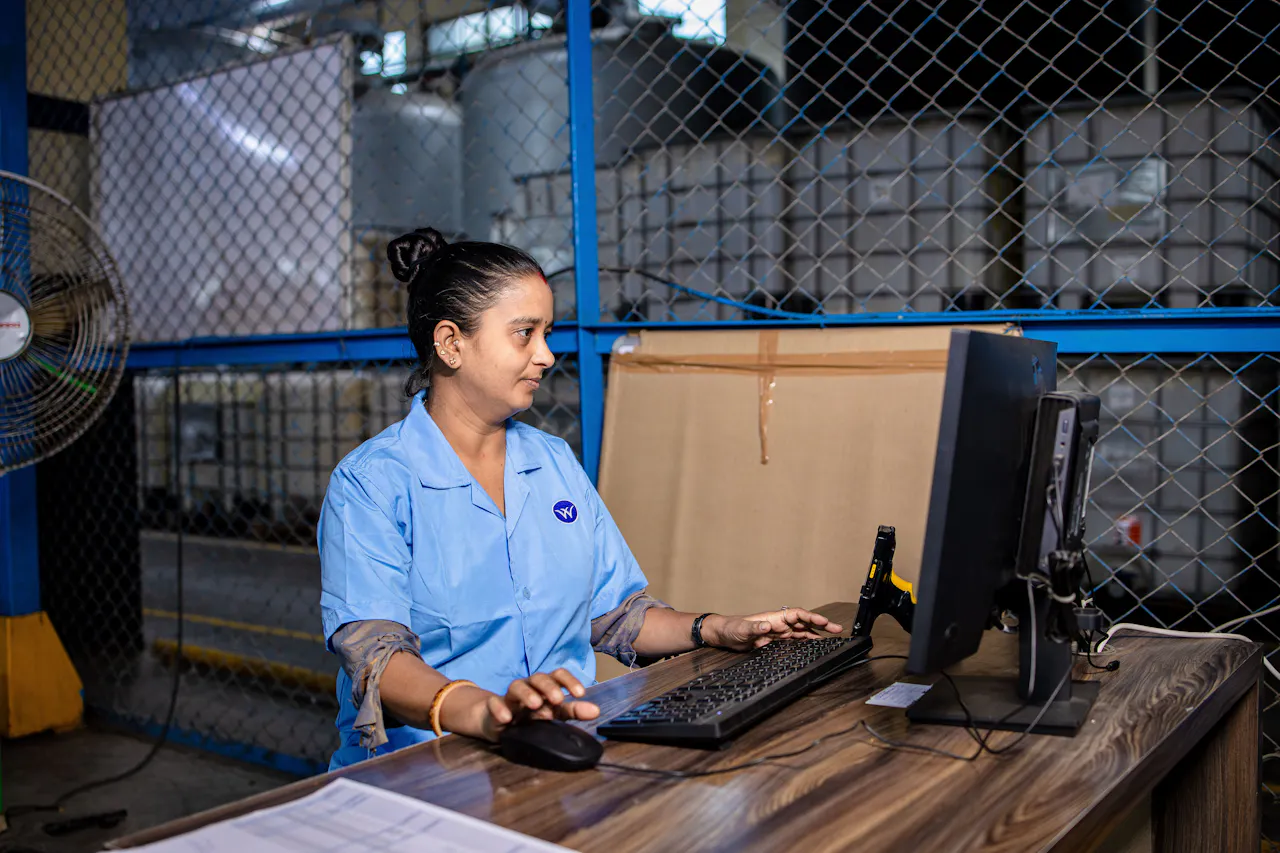
ERP enhancements and integrations
07 / 07Close the gaps between your ERP and the way your business actually operates. We extend platforms such as SAP, Microsoft Dynamics 365 Business Central, Isah, MKG, Ridder IQ, and Oracle with integrations, custom functionality, and applications around your core ERP.
How does CPP digital deliver?
Local collaboration, international delivery
We combine local collaboration with international delivery, working as one team with our clients.
By bringing together business insight, technical expertise and AI-driven development, we shape solutions around their goals and the people who use them.
Get the responsiveness of a focused partner with the capacity to support large, innovative and complex projects.

Growth within reach
Before we talk about tools, we look at the outcomes that matter most.
01Connect fragmented systems
Fewer duplicate activities, more consistent data, and less manual coordination.
Strategy & Integration
02Automate repetitive workflows
Lower processing effort, fewer errors, and more predictable operations.
Data & AI
03Modernize business-critical software
Lower maintenance burden, better integration, and more room for future development.
Software Development
04Improve operational visibility
Faster decisions and a clearer view of performance, exceptions, and bottlenecks.
Data & AI
05Build around processes that standard software cannot support
Technology that supports the process without forcing the business into unnecessary workarounds.
Software Development
06Keep critical systems reliable
Greater continuity and more internal capacity for improvement.
Managed Services & Cloud
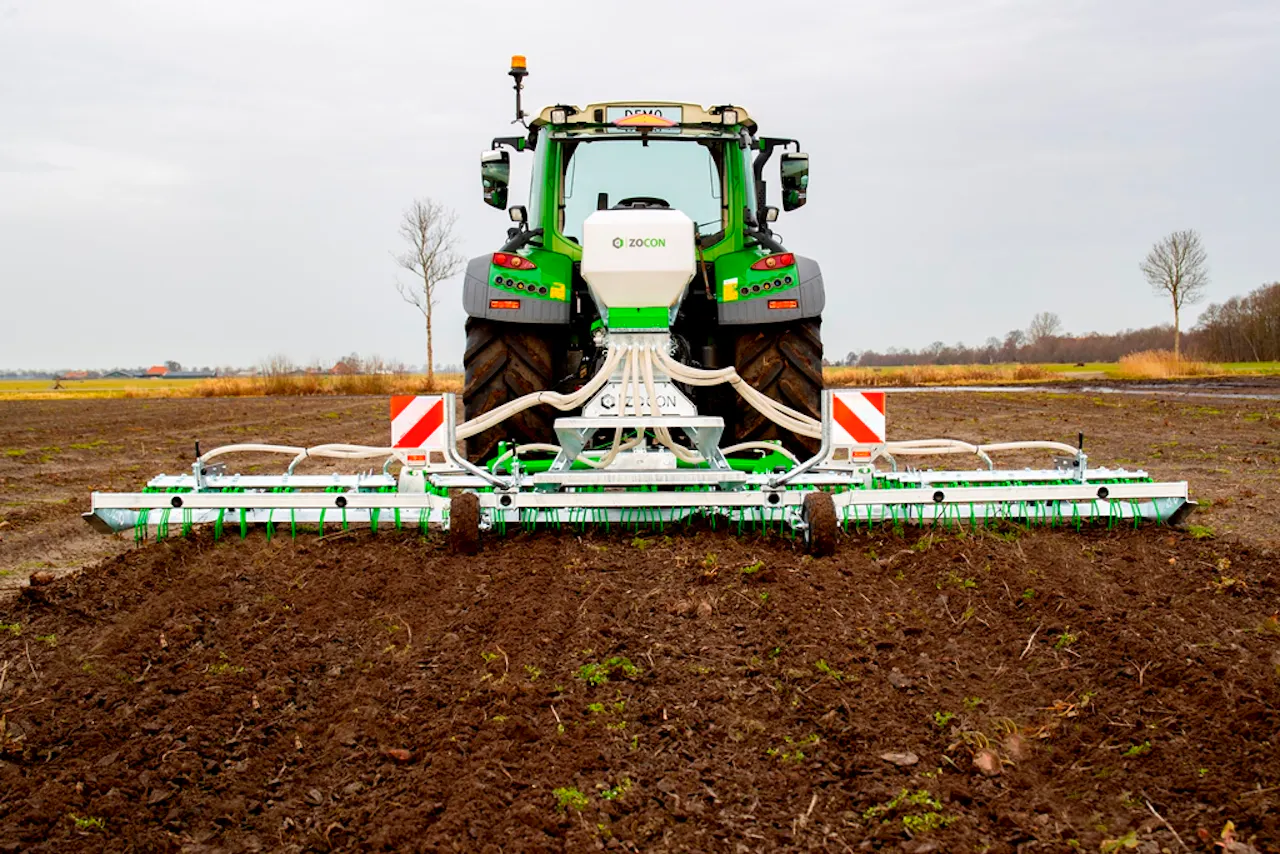
Manufacturing case
How we help
Find your best fit.
A digital roadmap that links technology investments to operational goals.
View serviceAutomate order processing, forecast demand and make production data usable for decisions.
View serviceKeep critical production systems secure, available and up to date.
View serviceFAQ
Start with the business process, not the technology. If your core systems are stable but teams still rely on spreadsheets, duplicate data entry, or manual handovers, integration, automation, or targeted custom development may be enough.
Replacement makes more sense when a system creates structural limitations around maintainability, security, integration, or future development. We assess what can stay, what needs to change, and where modernization creates the most value with the least operational risk.
Yes. Manufacturing environments often consist of several standard platforms, custom applications, databases, and older systems that all support part of the operation.
We connect these systems so information can move more reliably between production, planning, warehousing, sales, finance, and other teams. The goal is not to replace systems that still work, but to reduce the gaps between them.
First, identify where employees are compensating for gaps in the process or technology. This often includes copying data between systems, maintaining spreadsheets, sending status updates by email, or manually checking information across several platforms.
Depending on the root cause, the solution may involve system integration, workflow automation, process changes, or custom software. The focus should be on removing unnecessary work without automating inefficient processes.
Legacy modernization does not have to mean replacing everything at once.
We identify which parts of the application create the greatest risk or limitation and separate them from the components that can continue to operate. Changes can then be introduced in controlled stages, with testing, integrations, dependencies, and operational continuity built into the roadmap.
Start where manual work has a clear impact on cost, quality, speed, or reliability.
Good candidates usually involve repetitive tasks, duplicate data entry, predictable handovers, or recurring errors. We assess the business value, technical feasibility, process maturity, and operational risk before deciding where automation will have the greatest effect.
The right measures depend on the process being improved. They may include processing time, error rates, manual effort, system availability, reporting time, maintenance costs, or the time needed to resolve operational issues.
We recommend defining those measures before implementation. That makes it possible to evaluate whether the technology is actually improving the operation rather than simply adding new functionality.
How we work
We work in phases, so production keeps running while things improve.
We map the business problem, users, workflows, systems, dependencies, and operational risks.
OutcomeShared problem definition
We rank opportunities on impact and effort and define a phased roadmap.
OutcomePhased roadmap
Business and technology specialists translate requirements into a clear architecture, roadmap, and measurable outcomes.
OutcomeRequirements
A first solution in weeks, integrated with your existing ERP and MES.
OutcomeFirst release in production
Training, support and a careful rollout across teams.
OutcomeAdopted by the teams
We track results on the floor and move on to the next priority.
OutcomeContinuous improvement
Let’s talk
Whether the problem sits between systems, inside a manual workflow, in a legacy application, or in the data behind your decisions, we can help determine the right next step.